TL;DR NetSuite Next is Oracle's most significant ERP overhaul since the platform's founding introducing the new Redwood UI, Ask Oracle for natural language insights, AI Canvas for collaborative analysis, autonomous close, and agentic workflows. Ask Oracle and AI Canvas are rolling out through 2026, with North America first, and all features are included in existing licences at no extra cost.
At SuiteWorld 2025, the customary NetSuite keynote by Evan Goldberg signaled that ERP was no longer just about tracking data, but about understanding it, reasoning with it, and acting on it. He had previously hinted that AI was not coming to the ERP universe, it had already entered. Oracle’s NetSuite Next, the much-awaited upgrade that is in the pipeline and is expected to be released in 2026 in North America, followed by other regions, confirmed the cue. The keynote confirmed that NetSuite Next wasn’t a routine product update. It was a re-architecture of how businesses will run their finance, operations, and supply-chain processes. In this blog, NetSuite Next: A Guide to Oracle’s AI-Powered ERP, we explore how this new era of role-aware intelligence, autonomous workflows, and embedded AI is reshaping the way teams work.
SuiteWorld 2025 announced NetSuite Next to be the future of cloud ERP: a system that doesn’t just record what happens, but anticipates it, interprets it, and accelerates every part of a business.
NetSuite Next is built around a small set of foundational pillars that together redefine how work gets done inside the ERP. These pillars move NetSuite beyond automation toward systems that can reason, collaborate, and act. Let’s take a look at all the core pillars of NetSuite Next to understand them better:
One of the most impactful pillars of NetSuite Next is the Autonomous Close. Instead of finance teams scrambling at month-end to reconcile data, identify exceptions, and chase approvals, NetSuite Next continuously monitors transactions, balances, and anomalies throughout the period. AI will help surface issues early, suggest corrective actions, and keep the close in a near-ready state at all times.
The outcome would not just be a faster close, but a calmer one where finance teams spend less time fixing and more time reviewing, validating, and advising the business.
AI Canvas is being designed to be a shared workspace inside NetSuite where thinking, analysis, and action will come together. Instead of getting answers as isolated reports or one-off responses, AI Canvas will provide you a live space where you can explore an issue end to end. You can ask questions, get summaries, dig into details, compare scenarios, and view charts, all in one place.
AI Canvas will allow you to work with the AI, not just receive output from it. You can refine what the AI produces, add your own notes or assumptions, and guide the direction of the analysis as it evolves with more information.
Once the thinking is complete, the same canvas can be shared with finance leaders, operations teams, or executives, so that everyone sees the same context, insights, and conclusions. In short, AI Canvas will turn AI from a quick-answer tool into a collaborative workspace where ideas are developed that shape decisions, and a workplace that will help teams stay aligned.
With NetSuite Next, interaction will shift from navigation to conversation. Users would no longer need to know where data lives or how reports are structured. They can ask questions in everyday language, refine them through follow-ups, and explore insights naturally. The system will understand intent, context, and history, allowing conversations to build progressively instead of starting from scratch each time. This conversational layer reduces dependence on technical teams and makes insight accessible across roles.
Agentic workflows will introduce a new form of intelligent automation in NetSuite Next, one that combines autonomy with built-in guardrails. These AI-driven workflows will be able to independently handle complex, multi-step tasks such as creating proposals, selecting vendors, reconciling transactions, or managing parts of supply-chain operations. Users will remain firmly in control, with the option to review and approve each step or allow the workflow to run autonomously within predefined rules and permissions. This approach will enable faster execution without sacrificing oversight, ensuring automation supports decision-making rather than replacing it.
NetSuite Next is about making NetSuite easier to use, faster to work with, and more intuitive without needing technical expertise. Instead of clicking through menus, running reports, or relying on analysts to pull data, NetSuite Next lets users ask questions and get answers in plain language.
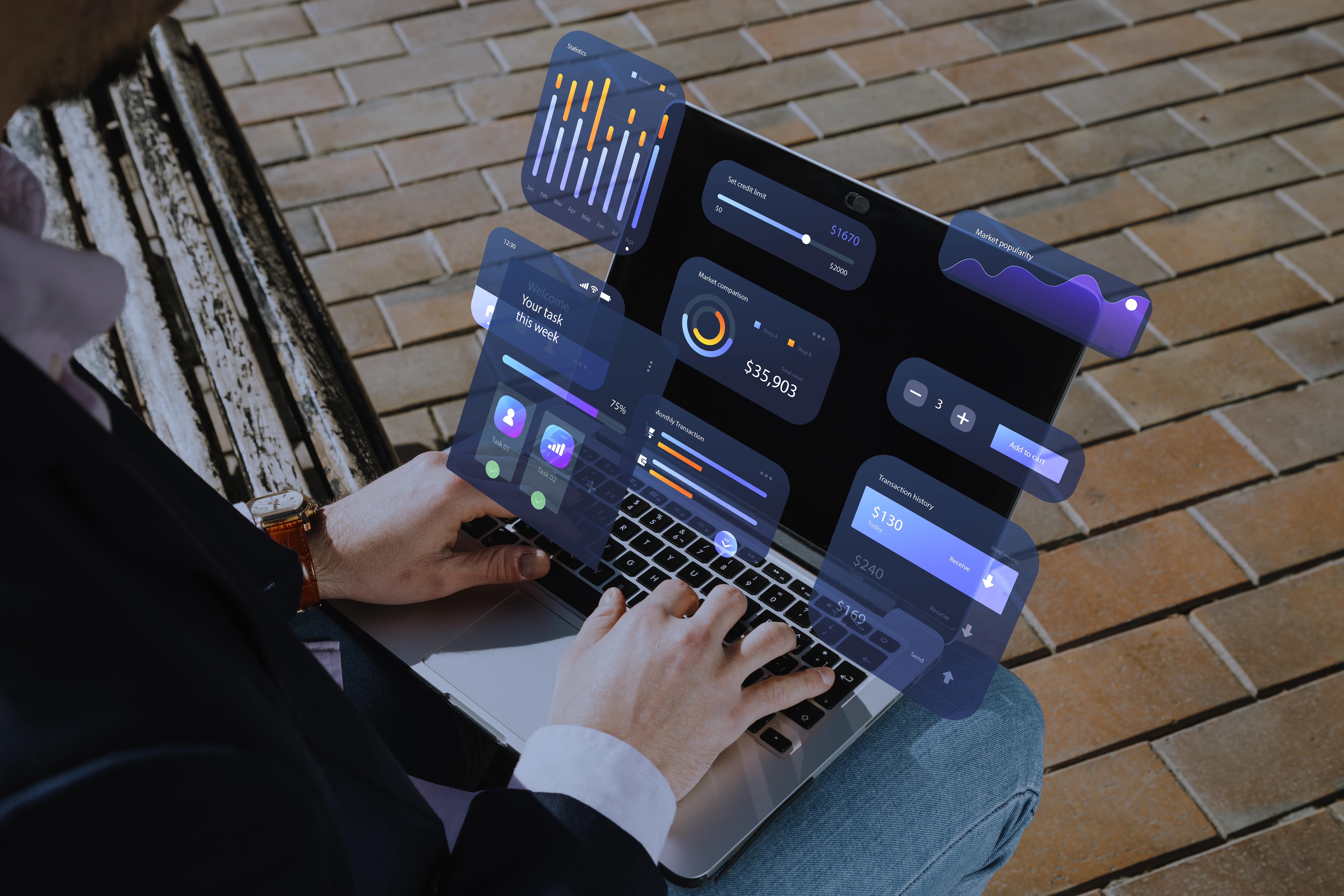
At the center of this is Ask Oracle, a built-in AI assistant that will provide context-aware answers, visual insights, and interactive results clearly explaining the how and why behind each response, so users can work more easily within NetSuite. Simply put, think of Ask Oracle as a smart colleague who understands your NetSuite data, knows how your business works, can answer questions, show insights, and even help you take action.
You can type things like:
Instead of just returning a static report, Ask Oracle will look across the entire NetSuite system, understand context (time period, business rules, trends), will explain why something is happening, not just what is happening, and will show results using charts, summaries, and guided follow-ups.
Following would be the key features of Ask Oracle, the nucleus of NetSuite Next:
When NetSuite Next comes to market, businesses will begin to see everyday ERP interactions shift from manual execution to intelligent assistance. Instead of spending time entering data, navigating screens, or chasing approvals, teams will increasingly rely on AI-driven capabilities that simplify work while keeping people firmly in control. Here are some of the ways in which businesses will benefit from NetSuite Next:
The outcome will be less searching, fewer clicks, faster insights, and decisions increasingly powered by AI reasoning rather than manual effort.
NetSuite Next marks a significant shift in how businesses will interact with ERP systems. By combining conversational intelligence, autonomous workflows, and embedded AI with strong governance and control, it moves NetSuite from a system of record to a system of understanding and action. As NetSuite Next becomes available, its real impact will be seen in how confidently teams can move from insight to execution. The promise is clear: less friction, clearer decisions, and an ERP experience built for the pace and complexity of modern business. To understand NetSuite Next better, watch our 30-min online session hosted by Athira Shetty, CEO / Chief Technology & Innovation Officer, and Scott Robertson, VP, Optimization & Strategy, 79 Consulting.



Tvarana is an award-winning
Oracle NetSuite Consulting Firm
and an SDN partner.
info@tvarana.com